
If-this-goes-on stories
Works of waste prophecy part 1: Octavia E. Butler’s prophetic Parable predicted the catastrophic wildfires of 2024 LA. Have any fictional works predicted the if-this goes-on future of waste?

While LA was burning in January 2025 – and bushfires continued to gut The Grampians, and floods would soon cover parts northern Queensland – I saw actress Nastasha Lyonne’s Instagram post about Octavia E. Butler’s 1993 novel Parable of the Sower.
It pretty much put a stop to any work I was doing on other Tuesday Trash Talk posts about all the well-intentioned plans for e-waste, circular economy precincts, the government’s new circular economy framework, etc.
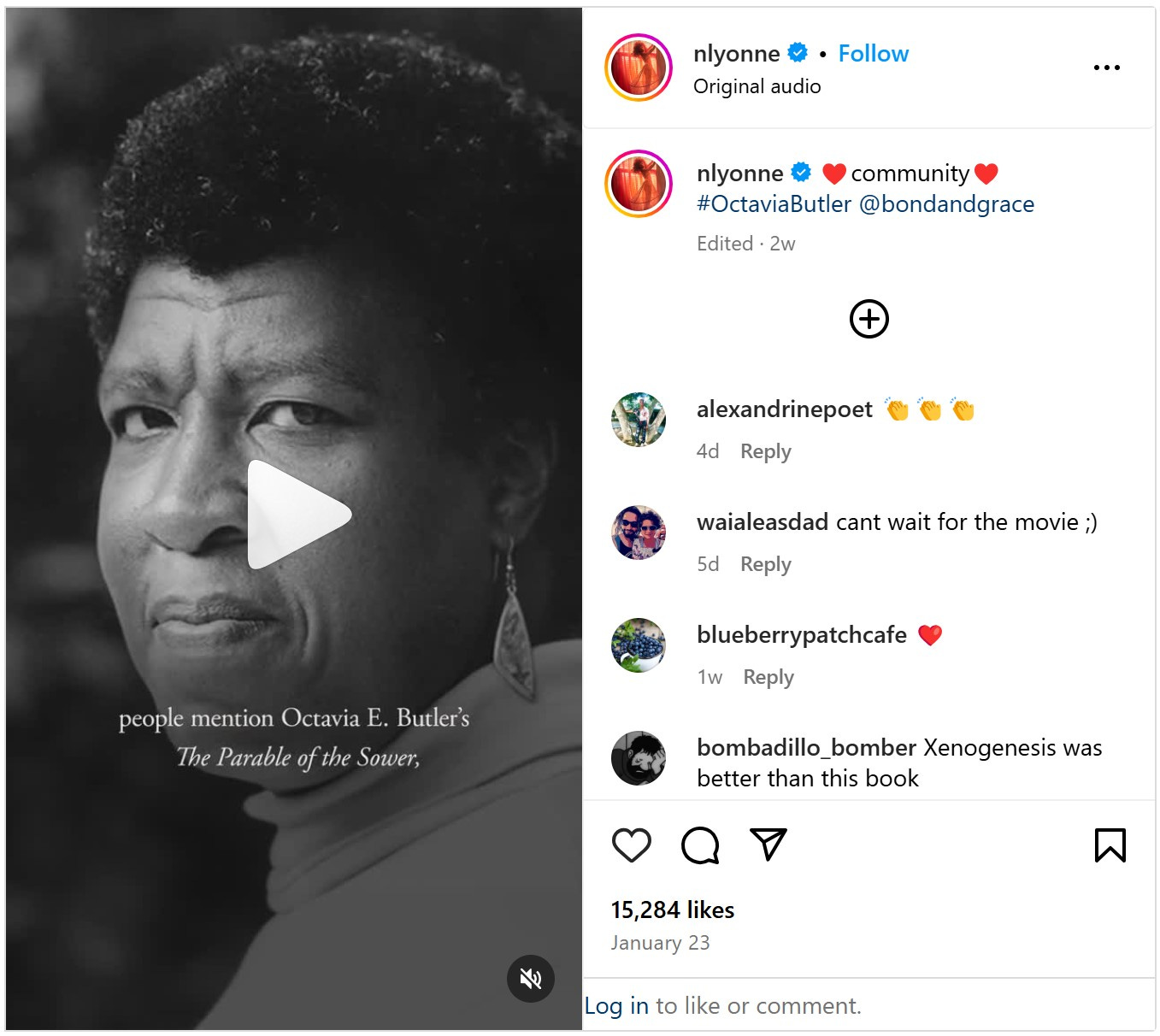
Here’s some of the text from the Instagram post:
It seems that every time something scary and dramatic happens in the word, people mention Octavia E Butler’s Parable of the Sower, and for good reason. The book and its sequel Parable of the Talents have an eerie habit of predicting the future.
Originally published in 1993, Parable is set in the year 2024 and follows Lauren Olamina, a Black teenager living in the post-apocalyptic suburbs of Los Angeles. Wildfires have rendered much of the environment inhospitable, and climate change, wealth inequality and corporate greed have ravaged the country.
Climate disaster is not the only thing Butler’s novel got right. In the sequel, people turn to virtual reality headsets to escape their lives and a fundamentalist Christian government rises to power. The leading politician in this government even uses the slogan, you guessed it, ‘Make America Great Again’.
Octavia E. Butler says that these books are not works of prophecy but the result of carefully studying our history. She states: “This was an if-this-goes-on story. That was a cautionary tale.”
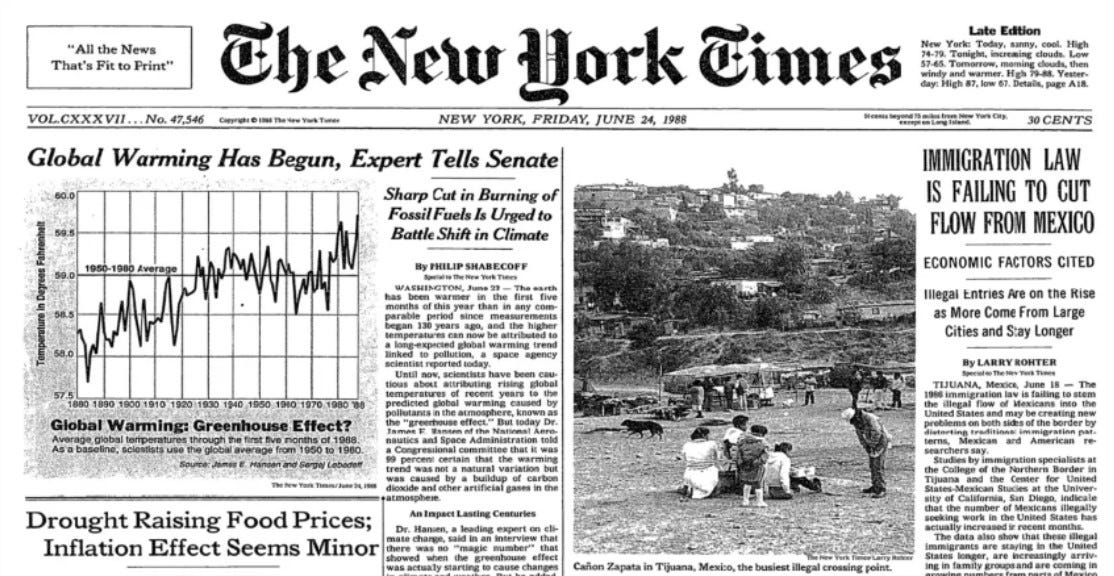
Octavia spent five years researching and writing Parable, possibly after reading The New York Times cover story in June 1988 called ‘Global Warming Has Begun’.
She said she didn’t invent anything. She looked at the world around her – what was going on in her own backyard and community. From Grist:
“All I did,” she wrote in her Essence essay, “was look around at the problems we’re neglecting now and give them about 30 years to grow into full-fledged disasters.”
I was reading Richard’s Flanagan’s Question 7 at the time
Question 7 is a ‘deeply moving’ autobiography about Richard’s life, Tasmania, the impact of his father’s time ‘working as a slave labourer near Hiroshima when the atomic bomb is dropped’, and the choices we make and ‘the chain reaction that follows’.
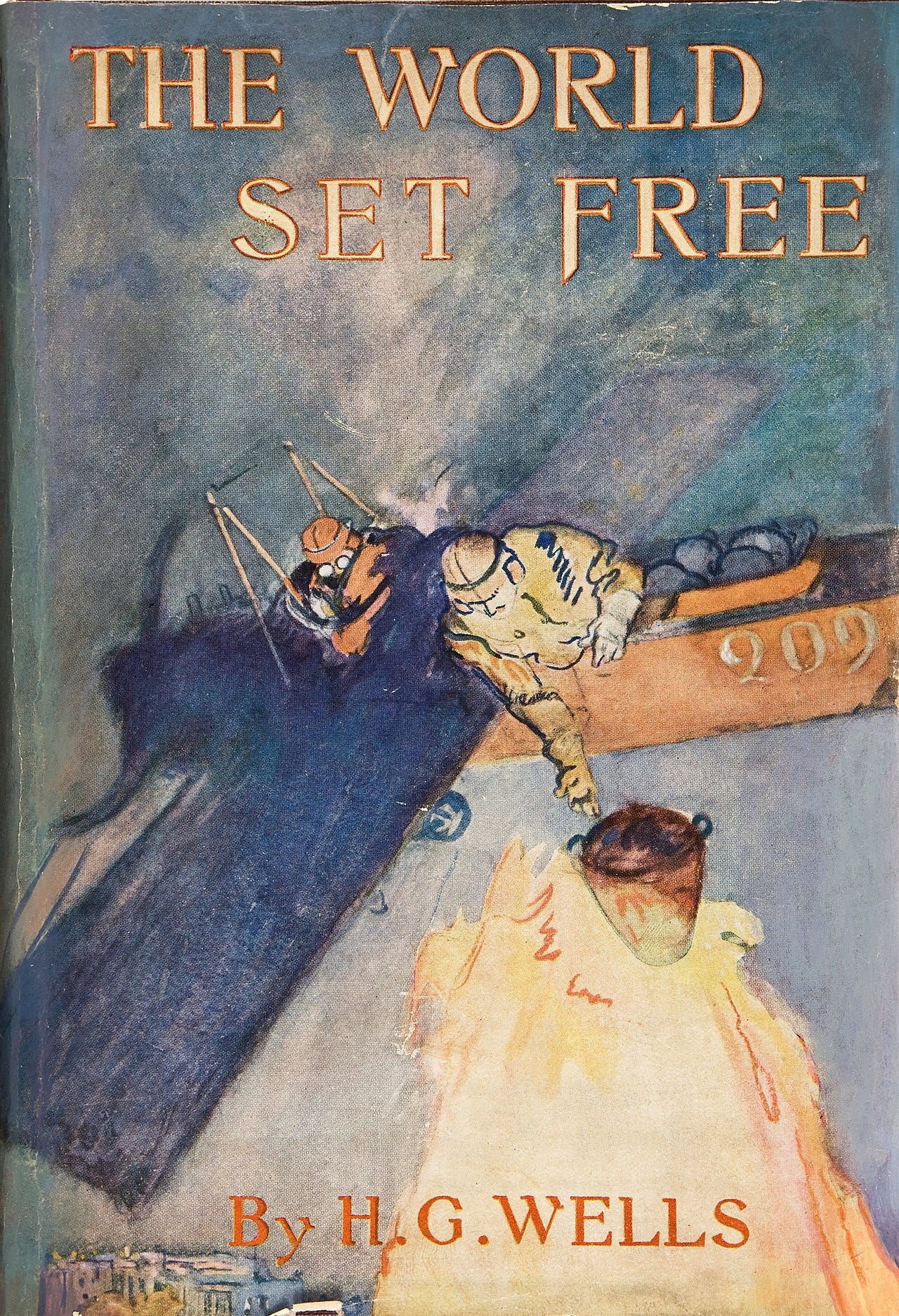
Question 7 talks a lot about H.G. Wells’ 1914 novel The World Set Free, which predicted the atomic bomb and atomic warfare.
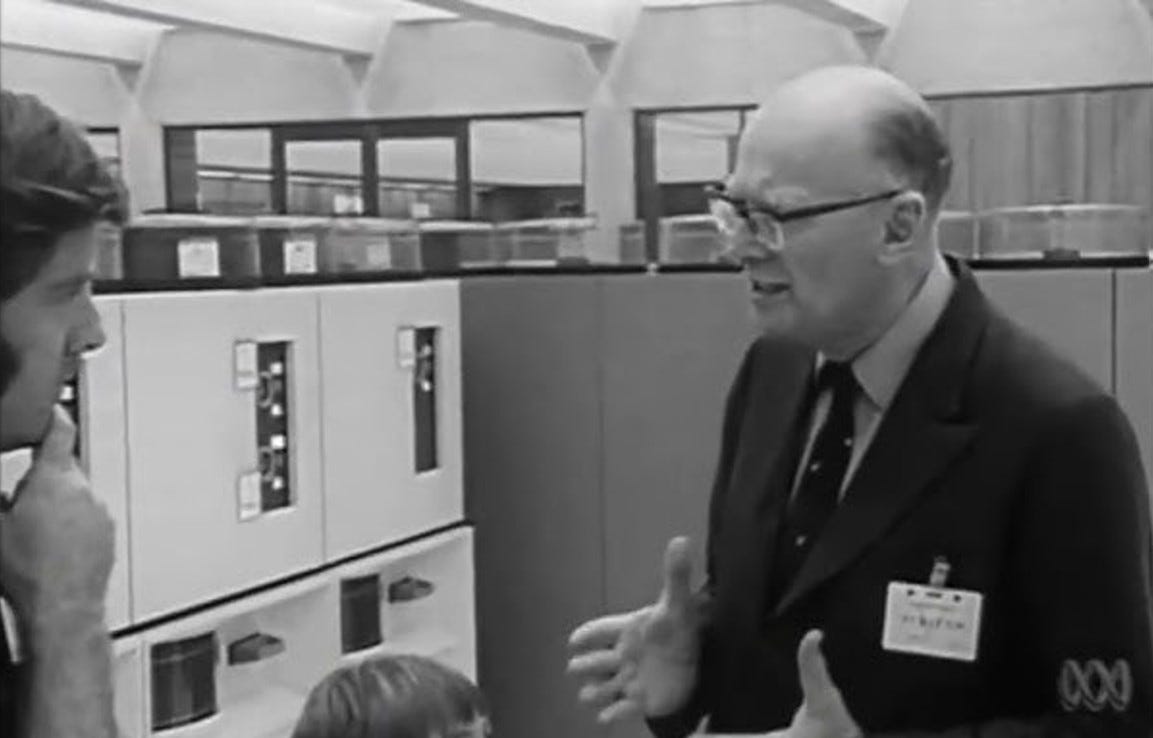
Well-known works of science fiction (sci-fi) that have come near to predicting the future have been picked over for the a-ha discoveries for decades. Then there was the time that sci-fi author Arthur C Clarke predicted the personal computer. There’s video proof on the ABC News website:
‘In 1974, science fiction writer Arthur C Clarke makes the bold claim to an ABC journalist that one day computers will allow people to work from home and access their banking records.’
But what about works of waste prophecy?
I wanted to know if any fictional books, TV or movies on par with Parable that have predicted the if-this goes-on future of waste?
I don’t read a lot of sci-fi books. Although I have watched a lot of Star Trek (the original series was set 2266–2269). Pretty much all of it actually. Every movie, series and episode. Waste in the idealistic Star Trek universe is seen as a valuable resource that is broken down to be recycled and reused using replicators.
Most of what I found were dystopian rather than idealistic depictions of the future of waste.
Writers Isaac Asimov, Don DeLillo, J.G. Ballard and Samual Beckett included themes of waste and consumerism. Aliens exploring archaeological digs on Earth in the very distant future. Those deemed of lower social value living in mud, poo and waste.
This Goodreads thread lists more contemporary books and writers about waste.
One book I’m really looking forward to getting my hands on is Chen Qiufan’s 2013 book The Waste Tide (set in ‘the post-2020 era’). The book’s Silicon Isle is based on the town of Guiyu in southern China, which in 2013 had the largest e-waste site:
‘Waste people dismantle plastic and electronic parts from cybernetic implants and augmentations, robots, and other discarded pieces of advanced technology.’
Probably the most famous movie about waste is the popular 2008 Disney/Pixar film, Wall-E (set in 2805). The plot:
‘In the 29th century, Earth is a garbage-strewn wasteland due to an ecocide caused by rampant consumerism, corporate greed, and environmental neglect. Humanity was evacuated to space by the megacorporation Buy n Large (BnL) on giant spaceships 700 years prior, leaving trash-compacting robots to clean up the planet.’
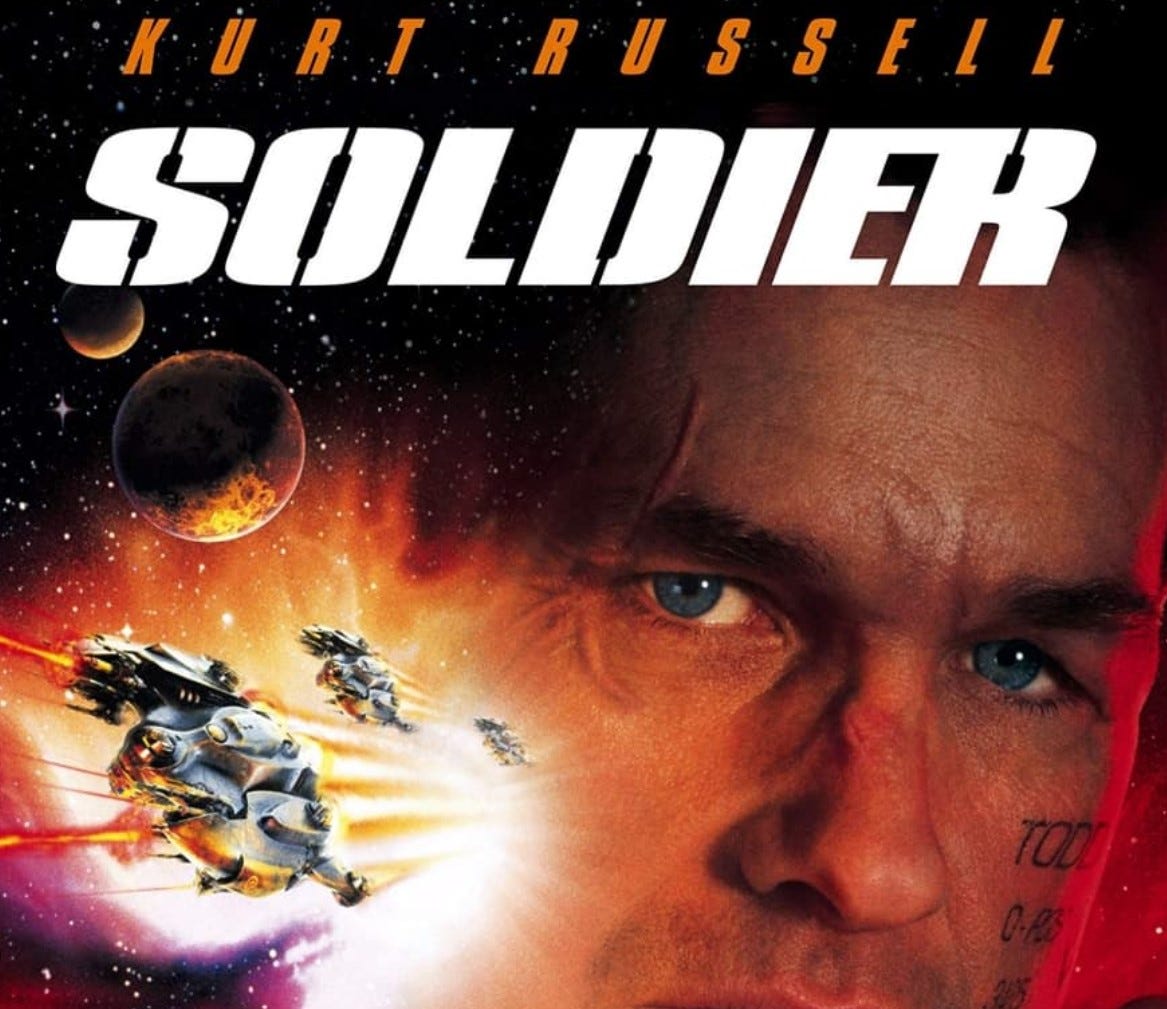
I recently watched the less popular (but unintentionally hilarious) Kurt Russell 1996 film, Soldier (set in 2036). If you haven’t seen it, deadpan Kurt Russell plays a soldier left for dead on a waste disposal planet where he befriends and protects refugees from ‘his former superiors who are determined to eliminate them’.
Waste inevitably appears in dystopian sci-fi and climate fiction (cli-fi) TV and films. I’ll pick a hadful of recent pop culture examples:
In the Disney+ series Loki, waste and other things pruned by the Time Variance Authority is sent to a place at the end of time called The Void.
Those who live on ‘overpopulated, diseased, and heavily polluted’ Earth rather than the ‘luxurious artificial world’ alternative deal with the remaining waste in the 1998 film Elysium (set in 2154).
Based on the French graphic novel Le Transperceneige, environmental mismanagement (including waste) leads to catastrophic consequences in the 2013 ‘post-apocalyptic action thriller’ film Snowpiercer (set in 2014-2031).
There’s the ever-present waste chute system and the Down Deep in the TV version of Hugh Howey’s Silo trilogy (set in 2345).
And then there’s that trash compactor scene in the original 1977 Star Wars film that was later renamed Star Wars: Episode IV – A New Hope.
I’m not sure if we’ll be sending our rubbish to a waste disposal planet by 2036, but if any of these works are truly prophetic, the future really does look bleak. Particularly for those who are poor.
These works predict a similar future to Parable. An inhospitable environment due to consumerism and climate change. Warfare and weaponised tech. Wealth inequality and corporate greed. The Pox (the apocalypse, in Parable).
Coming soon… my own if-this-goes-on story
Yes, I had a stab at writing a summary for an if-this-goes-on story of a possible fictional future for my hometown of Buninyong – focusing on waste, of course.
I’m calling it Turbine Park.
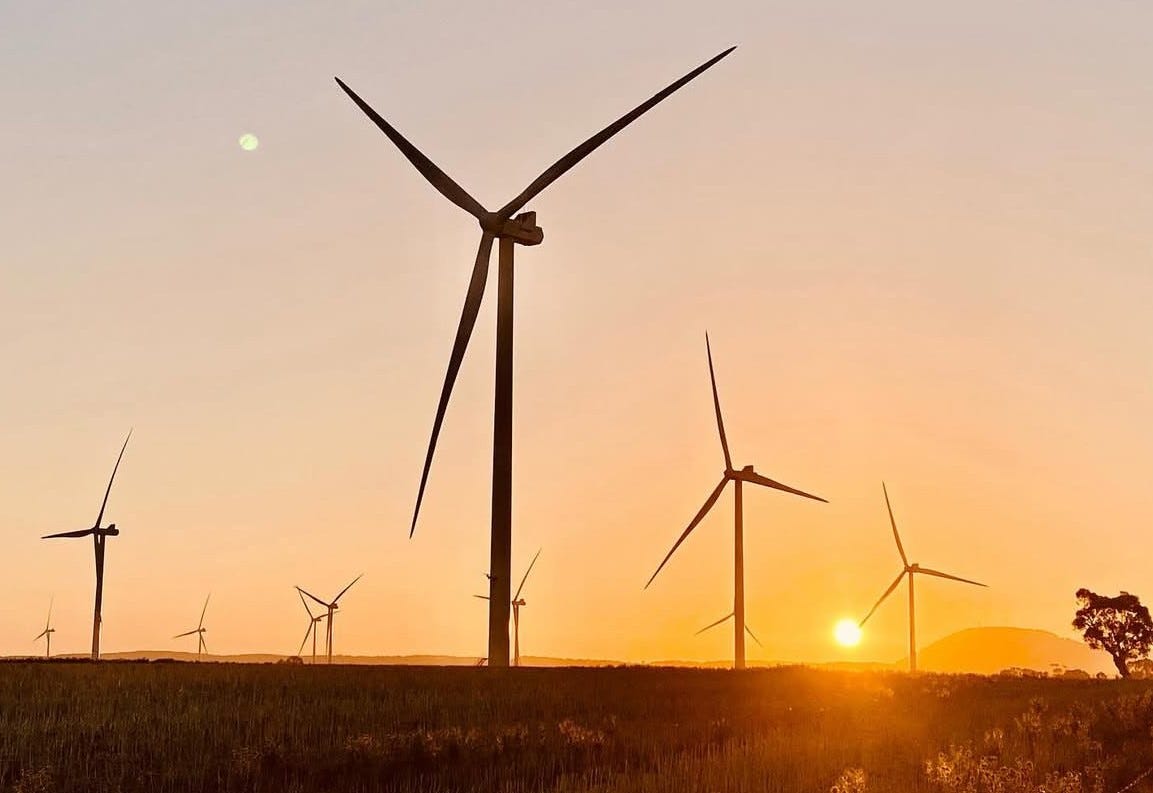
Published in 1993, Parable was set in 2024. That’s 31 years into the future. To make it easier, I chose to go 25 years into the future as there are already some big predictions about what to expect in 2050.
I gave myself around five days scattered over a couple of months rather than five years to research and write this post (part 1). Part 2 will look at the world around us to plot Turbine Park, considering:
Australia today
Australia in 2050
Buninyong today
Buninyong in 2050
Waste in Buninyong today
Waste in Buninyong in 2050
Hi Jackie! I'm subscribed so how can I see your Turbine Park story? Great post here by the way!!